
A stronger recruitment pool
We can connect with psychology students who are actively interested in gaining practical experience supporting neurodiverse young people.
Field Day has a formal partnership with the UNSW Psychology Student Society. It helps us connect with capable psychology students who are looking for meaningful, practical support experience — and who may be a strong fit for the children and teenagers we support.
WHAT THIS MEANS FOR FAMILIES
Qualifications alone do not make a great support worker. The partnership gives us another strong pool of people to recruit from. We still interview, screen and think about each person’s fit with each child.
We can connect with psychology students who are actively interested in gaining practical experience supporting neurodiverse young people.
Psychology study can complement practical support experience by giving workers a useful foundation in behaviour, communication and human development.
We want workers who are interested in the person in front of them — not people simply looking to fill a shift.
A broader team gives us a better chance of finding someone whose personality, interests, availability and location suit your child.
Being a psychology student does not automatically make someone a Field Day worker. We still interview, screen, onboard and assess fit.
We explain who we think could fit and why, then your child can meet them at a free meet & greet before you decide whether ongoing support feels right.
THE PARTNERSHIP OPENS A DOOR. WHAT HAPPENS NEXT MATTERS.
Psychology study can be valuable, but it is only one part of being a great support worker. We still look closely at the person, the fit and the practical standards needed to support children and teenagers well.
Workers then complete Field Day onboarding and training focused on connection, communication, boundaries, safety and the real situations that can come up during support.
We look at communication, reliability, motivation, personality and how someone may fit the individual child.
Workers complete our required screening, including Working With Children and police checks, First Aid and the NDIS Worker Orientation Module.
Training covers how to get to know a young person, find common ground and build trust without forcing interaction.
Workers learn clear expectations for communication with families, professional boundaries and respectful support.
We work through practical scenarios, including dysregulation, changes to plans and how to respond calmly when a shift gets difficult.
Workers are prepared for progress notes, incident reporting and when to ask the Field Day team for support or guidance.
THE WIDER FIELD DAY TEAM
Alongside psychology students, our worker network includes people studying or trained in areas such as Speech Pathology and Nursing, with direct support experience across different support needs.
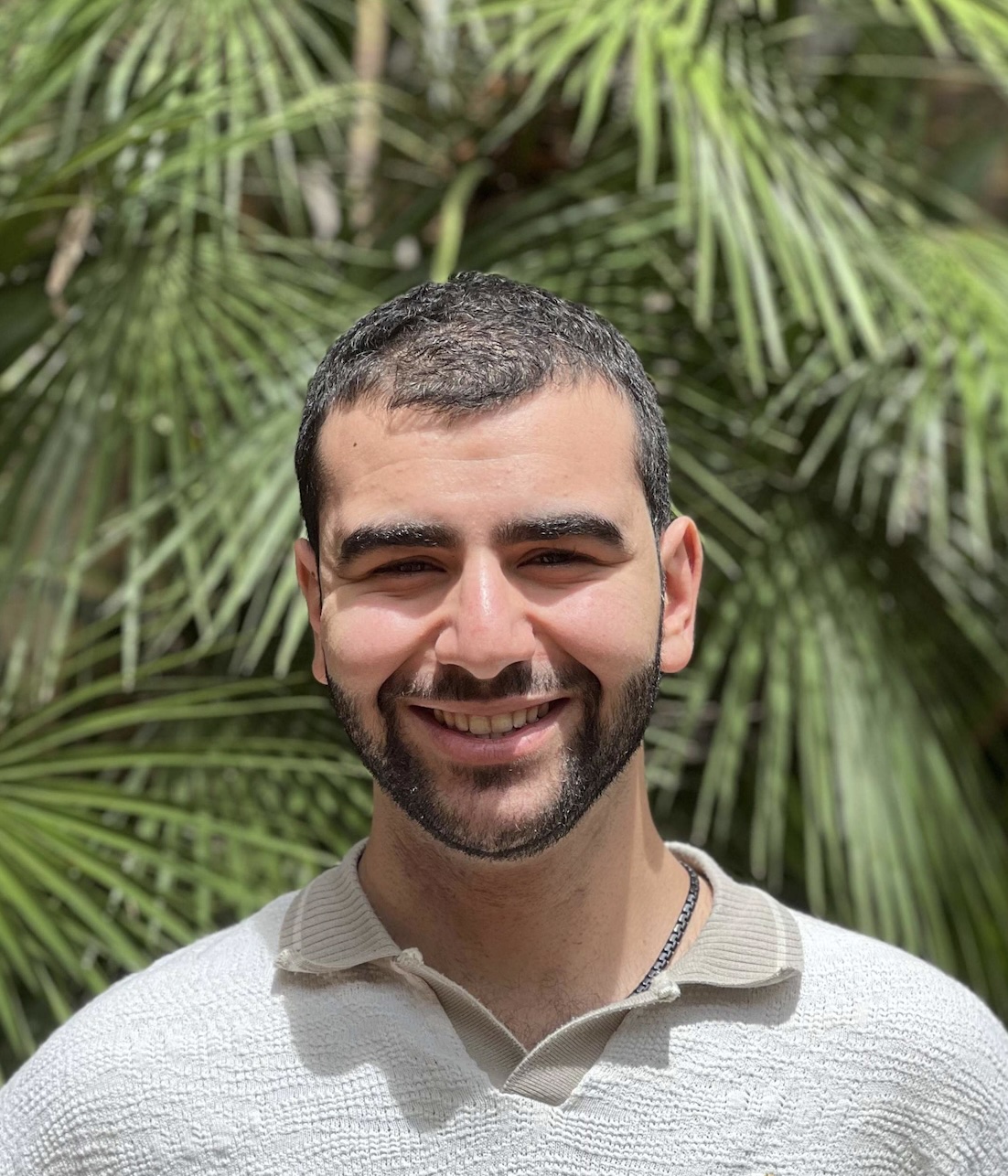
Support Worker
Children and teenagers with autism, behavioural challenges and emotional regulation needs.
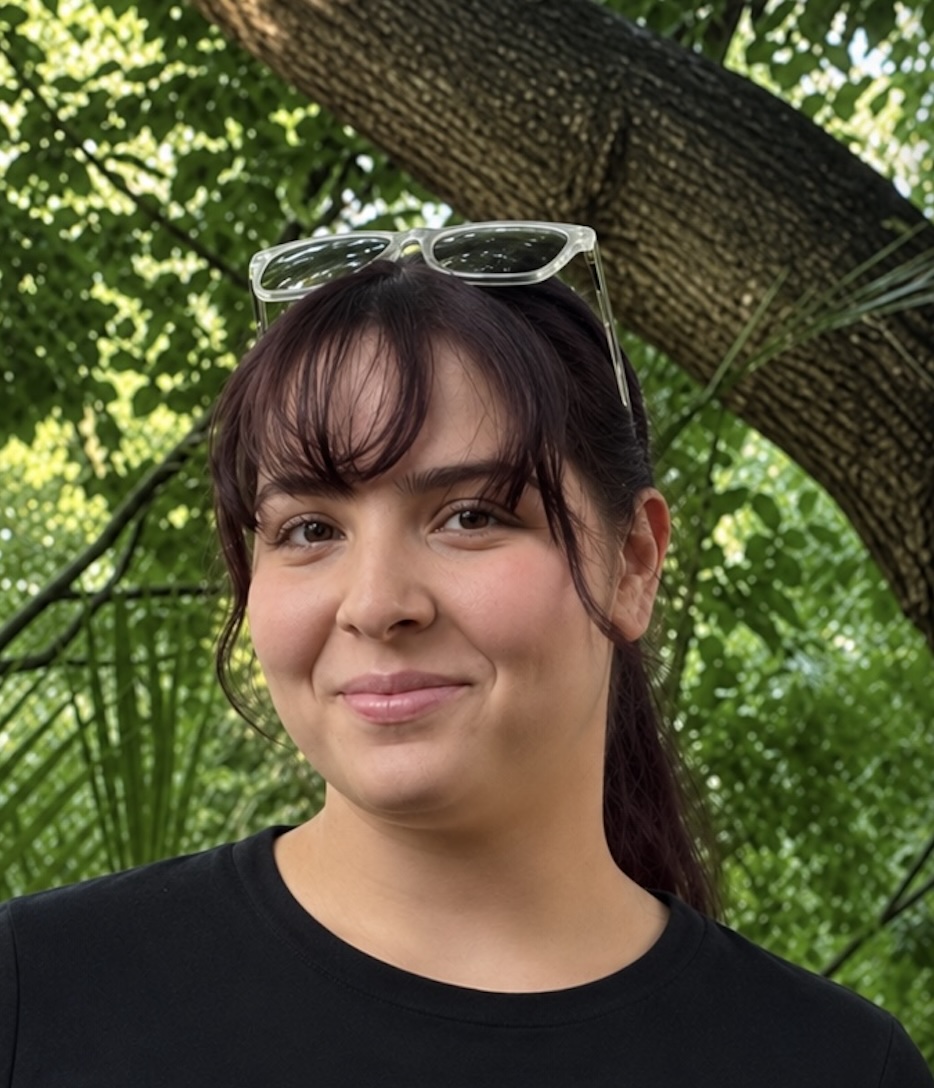
Support Worker
Children with autism, intellectual disability, communication differences and social participation goals.
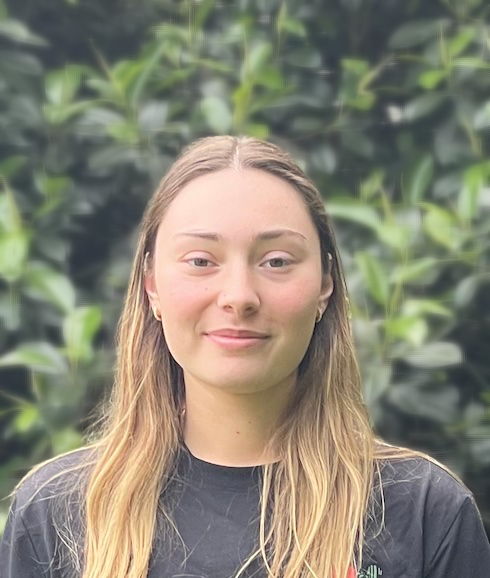
Support Worker
Young people with intellectual disability, routines, daily living needs and community participation goals.

Support Worker
Weekly in-home and community support for children with autism and demand avoidance, plus school-based experience.
Style: Calm, friendly and patient.
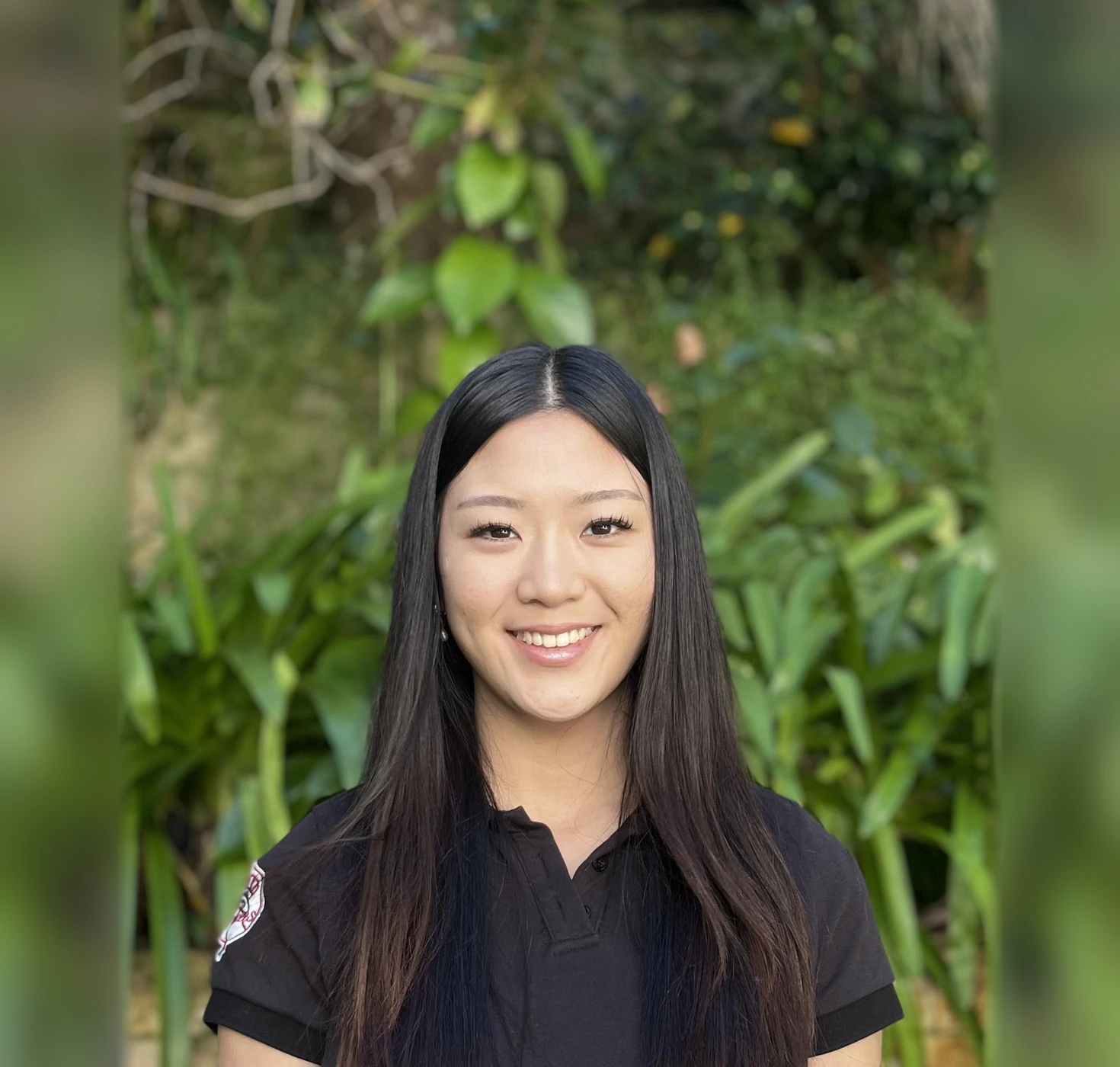
Support Worker
Children with Level 2 autism, plus one-on-one tutoring experience with ADHD and diverse learning needs.
Style: Warm, active and easy to talk to.

Support Worker
Level 2 autism support plus child-focused clinical research experience at the UNSW Parent-Child Research Clinic.
Style: Warm, thoughtful and patient.
THE PARTNERSHIP HELPS US FIND PEOPLE. YOUR CHILD’S FIT DECIDES WHO IS WORTH MEETING.
We’ll learn about their personality, interests, support needs, suburb and schedule, then only suggest a worker if we genuinely think the fit makes sense.
FREE MEET & GREET →