hours of support delivered across real homes, routines and communities.
CHILDRENTEENSYOUNG ADULTS
You're not looking for a 'Support Worker'.You're looking for the right fit for your child.
Find a support worker who enriches your child's life — someone who makes them happy, helps them build meaningful connections, and supports them to become more capable and independent.
✓ Free meet & greet✓ No lock-in✓ Sydney-based support workers
FREE MEET & GREET →
Tell us about your child first. We only suggest a worker when the fit makes sense.
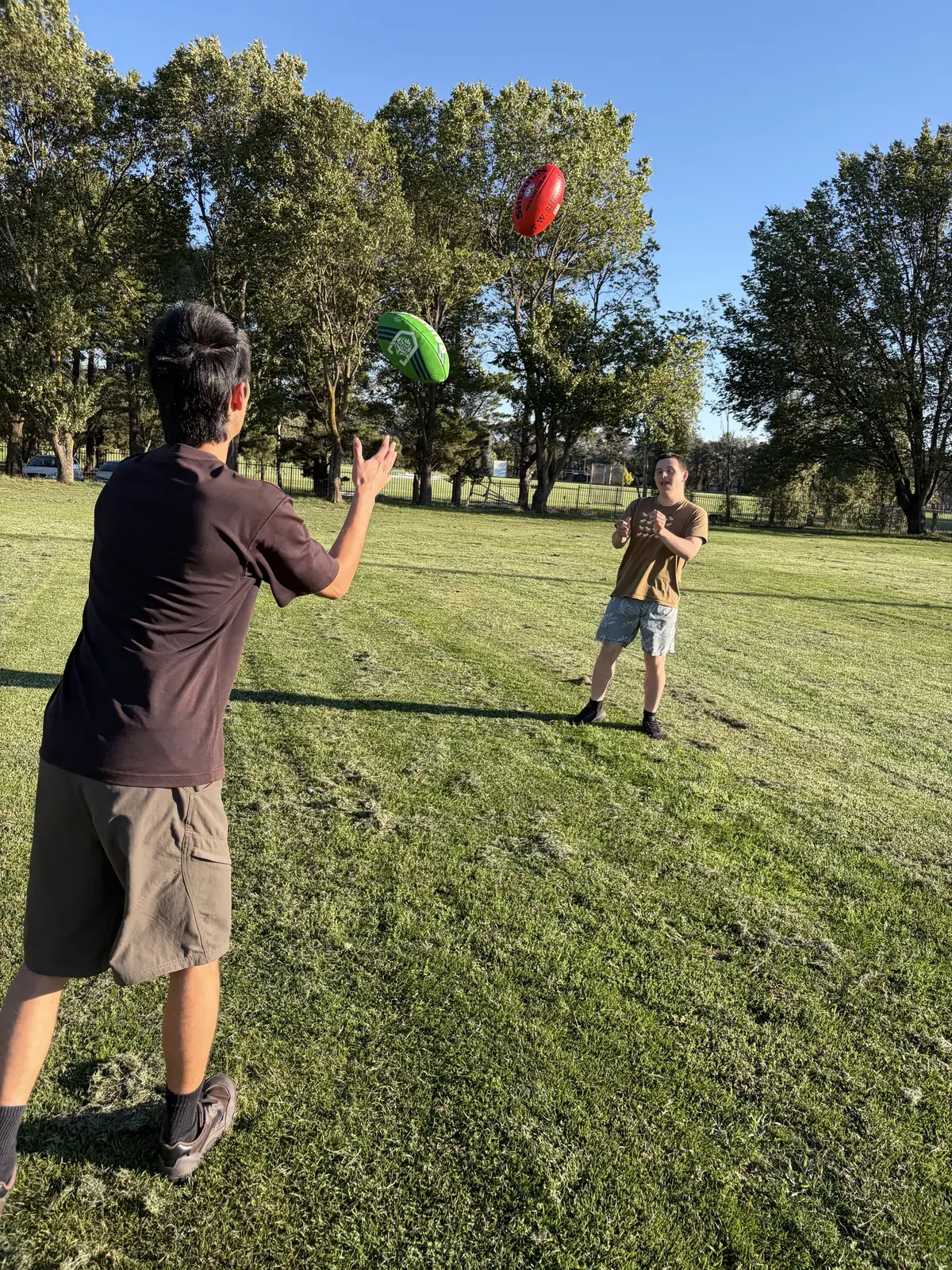
This is the point.Support that is easy and enriching.
with a growing Sydney-based team and support built around each child.
Experience that shapes the care, judgement and standards behind Field Day.
THE PART NO ONE TELLS YOU ABOUT SUPPORT
A support worker can be kind, qualified and reliable… and still be completely wrong for your child.
Maybe you’ve seen it already.
The worker turns up. They’re nice. They ask questions. They suggest an activity. They do everything they’re “supposed” to do.
But your child gives one-word answers. Stays in their room. Doesn’t want to go out. Counts down until the shift is over.
And suddenly support starts to feel like babysitting with a timesheet.
The problem isn’t always the support plan. Sometimes it’s simply the person.
Because if your child doesn’t feel comfortable with who is standing in front of them, everything else gets harder: routines, community access, confidence, independence, even getting out the front door.
Here’s why the right fit matters →
WHO FIELD DAY IS FOR
If any of this sounds familiar, you’re exactly who we built this for.
“We keep finding nice support workers. My child just doesn’t click with them.”
“I’m tired of workers who sit on their phone, watch the clock or barely engage.”
“Every time my child gets comfortable, the worker leaves and we have to start again.”
“My child gets anxious with new people and often refuses support before it even starts.”
“I don’t want someone to just fill a shift. I want support that helps my child get more out of life.”
FREE MEET & GREET →Free meet & greet. No pressure to start.
THE DIFFERENCE WE MAKE
The goal isn’t to keep your child occupied.
It’s to help them live more of their life.
Walks, gym, sport, shops, parks, events and the community around them.
Practise social situations and new experiences with someone they trust beside them.
Transport, shopping, cooking, routines, appointments and everyday life skills.
Build a consistent relationship with someone who understands their interests, engages with them and helps connection feel easier.
Support school mornings, after-school transitions, study, exercise and getting moving without constant parent conflict.
When the relationship is right, support can feel easier to accept, participate in and build into the week.



WHY FAMILIES TRUST US
The experience, standards and real family stories behind Field Day.
Support hours delivered
Thousands of hours spent supporting children, teenagers and young adults in real homes, routines and communities.
Families currently supported
Small enough to know our families. Established enough to have a strong worker network, systems and depth of experience.
Support work experience
Years of direct support work help shape how we choose, prepare and support our team.
Before support starts
Workers complete our checks and onboarding, including WWCC, police checks, First Aid and the NDIS Worker Orientation Module.
“The support workers have made such a difference to our mornings. I can actually get ready for work knowing the kids are supported, settled and happy — and the best part is the kids genuinely love having them there. I honestly don’t know how we’d manage the routine without their help now.”
Sarah, mum · Sydney
“It has been like night and day. My son used to barely want to leave the house. Now he and his support worker are out bike riding, playing tennis and basketball, and even trying things he’d never done before like pickleball. What makes it work is that nothing feels forced — they simply get along incredibly well.”
Melissa, mum · Sydney
“We had been through support workers who spent shifts on their phones, watched the clock and never seemed genuinely interested in our child. Field Day felt different from the first intake call. The whole experience has felt personal, thoughtful and built around people who actually care about making a connection and helping someone live a better life.”
Kate, mum · Sydney
MEET SOME OF THE TEAM
Relatable enough to connect.
Experienced enough to know what they’re doing.
This is only a snapshot of the wider Field Day team. Our workers bring support experience plus study across Psychology, Nursing, Speech Pathology, Education and related fields.

Alastair
Psychology student · UNSWSupport Worker
Support experience
Supports children and teens with broader neurodiversity, anxiety and social confidence goals.
Style: Grounded, patient and low-pressure.

Ebony
Nursing student · Enrolled NurseSupport Worker
Support experience
Supports young people with intellectual disability, routines and daily living skills.
Style: Calm, practical and dependable.

Denzil
Founder · Field DaySupport Worker & Director
Support experience
Supporting neurodiverse children, teens and young adults since 2020.
Style: Warm, active and practical — focused on trust and useful support.

Kayla
Speech Pathology & Psychology student · Macquarie UniversitySupport Worker
Support experience
Supports children with autism, intellectual disability and communication needs.
Style: Friendly and thoughtful, with a calm way of building confidence.

Christian
Psychology student · UNSWSupport Worker
Support experience
Supports children and teens with autism, behaviour and emotional regulation needs.
Style: Warm, active and easygoing.
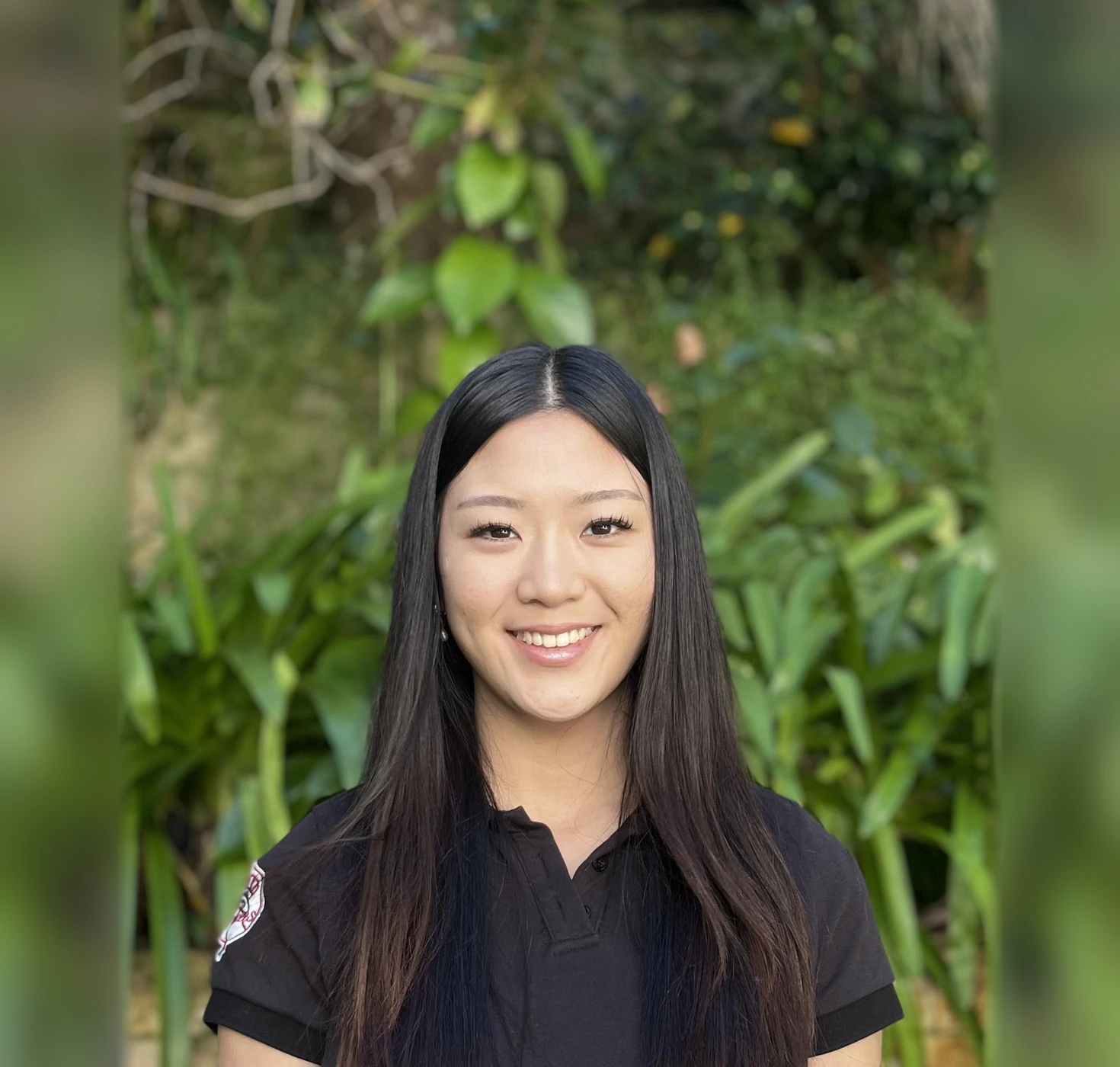
Bella
Psychology (Honours) student · UNSWSupport Worker
Support experience
Supports children with Level 2 autism and brings years of one-on-one tutoring experience with ADHD and diverse learning needs.
Style: Warm, active and reliable — uses humour and genuine conversation to help young people feel at ease.

Ryan
Psychology student · Macquarie UniversitySupport Worker
Support experience
Provides weekly in-home and community support for children with autism and demand avoidance, and has school-based experience as a teaching assistant.
Style: Calm, friendly and easy-going — patient about building trust at each child’s pace.

Panny
Psychology (Honours) student · UNSWSupport Worker
Support experience
Supports a child with Level 2 autism and brings child-focused clinical research experience from the UNSW Parent-Child Research Clinic.
Style: Warm, thoughtful and patient — comfortable building connection at each child’s own pace.
Browse some of the team
WANT TO KNOW WHO IS BEHIND THE SUPPORT?
See the experience behind Field Day and how we choose, screen and prepare the people who join our team.

FORMAL PARTNERSHIPUNSW Psychology Student Society
Our partnership helps us meet psychology students who genuinely want practical experience supporting neurodiverse young people.
See what the partnership means for families →HOW WE LOOK FOR THE RIGHT FIT
We don’t send whoever is free.
We start with who your child is.
Finding someone who is free is easy. Finding someone your child can trust takes more care.
Tell us about your child — not just their diagnosis.
What they enjoy, how they communicate, who they tend to warm to and what support has felt like before.
We think carefully about who could fit.
We consider personality, interests, age, experience, location and the times you need support.
We tell you about the person first.
You hear who they are, what they study, their experience and why we think they could suit your child.
Meet them for free.
Your child gets a low-pressure meet & greet before you decide on ongoing support.
If it clicks, build consistency.
Keep the same worker and a regular routine so trust can grow over time.
Start with the relationship. Build good support from there.
THE LOW-RISK WAY TO FIND OUT IF THIS IS DIFFERENT
Meet the person first.
Then decide.
You shouldn’t have to spend weeks of NDIS funding finding out whether your child can stand being around someone.
So we make the first step simple.
1
A quick call
We learn about your child, your suburb and what hasn’t worked before.
2
A person we think could fit
We explain who they are and why they may suit your child. You can always say no.
3
A free meet & greet
Your child meets the worker before you commit to ongoing support.
4
No lock-in
If it doesn’t feel right, you don’t continue. Simple.
OUR NO-PRESSURE PROMISE
If we don’t think we have the right person, we’ll tell you.
- No random worker just to fill the roster.
- No obligation after the meet & greet.
- No lock-in contract.
- No pretending every worker is right for every child.
Why we can’t say yes to every family straight away: The right fit depends on suburb, schedule and who is available at the time. If we know someone who could suit your child, we can move quickly. If not, we’ll tell you rather than force the wrong person into the shift.
“WHY IS THE MEET & GREET FREE?”
Because the best way to understand Field Day is to see the match for yourself.
We could tell you all day that fit matters.
But if your child has had poor support experiences before, more claims from another provider probably aren’t what you need.
You need to watch the person walk in. See how they speak to your child. Notice whether they force conversation or give them space. See whether there is even a tiny spark of comfort.
If there is, we can talk about starting support.
If there isn’t, you haven’t burned through weeks of funding just to find out.
That’s why we make the meet & greet simple and low pressure.
THE QUESTIONS CAREFUL PARENTS ASK
Before you get in touch, here are the things you’re probably wondering.
“My child hates meeting new people. What if they barely speak?”
That is completely workable. A good first interaction can be quiet. Parallel play, a walk, a game, sitting nearby, talking about one interest — there is no requirement for your child to “perform” during a meet & greet.
“What if we don’t like the worker you suggest?”
Say no. We would much rather look for another person than push someone you are not comfortable with. The right fit matters more than filling the shift.
“Won’t university students leave quickly?”
Many of our workers are studying degrees that take three to five years and are looking for consistent, long-term work alongside study. We prioritise people who can genuinely commit, because constant worker turnover is bad support.
“What kinds of support do you provide?”
Common supports include community access, after-school routines, transport, daily living skills, social confidence, study support, exercise and activities. The exact support is shaped around the participant and their goals.
“How quickly can we start?”
It depends on your suburb, the days you need and who is available. Sometimes we can move quickly. Sometimes it is better to wait for the right person. We’ll be clear about that on the first call.
“What checks do workers have?”
Workers complete our checks and onboarding, including Working With Children Checks, police checks, First Aid and the NDIS Worker Orientation Module. We also look at experience, communication and whether we would trust them with a family.
HERE’S WHAT TO DO NEXT
Tell us about your child.
We’ll tell you if we have someone worth meeting.
The next page has a short enquiry. Tell us about your child’s personality, interests, support needs, suburb and schedule. We’ll only suggest someone if we think the fit makes sense.
✓ Free intro call✓ Free meet & greet✓ No lock-in✓ Honest answer if we’re not the right fit
FREE MEET & GREET →
P.S.
Support should still feel like support — just easier, more natural and more comfortable because your child trusts the person beside them.